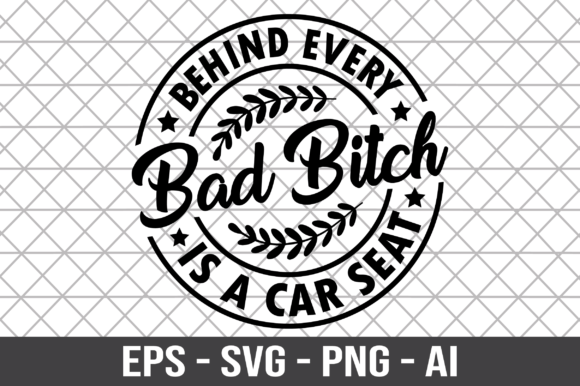
Behind Every Bad SVG: A Designer’s Honest Take
If you’ve spent time in the world of machine embroidery design, you know that not every digital file translates well to the physical stitch. “Behind Every Bad SVG” is one of those designs I recently reviewed for real-world application—specifically, for a custom embroidered sweatshirt destined for an Etsy listing. As someone who has tested hundreds of embroidery files over the years, I’m always cautious before sending a design through the hoop. This review is from the lens of experience and practicality, not just aesthetics.
First Impressions: Mood and Layout
“Behind Every Bad SVG” starts with a strong visual hook. It carries a slightly edgy, humorous tone that feels modern and approachable. The layout is balanced but bold, with clear focal points and enough detail to stand out without being overwhelming. It's the kind of embroidery file that could work on both casual and more refined projects, depending on how it’s applied.
As a designer, I appreciate that the vector paths are clean and scalable. Since the product includes AI, EPS, SVG, and PNG formats, there’s flexibility in editing and previewing. But here’s where the rubber meets the road: does it hold up when stitched?
Real-World Stitch Test: Sweatshirt Embroidery
I decided to test this design on a cotton-polyester blend sweatshirt—a common choice for custom apparel and small shop products. After converting the SVG into a usable embroidery format, I noticed the stitch layout was mostly satin and fill, with some running stitches outlining shapes. That’s good news for clarity and durability, but I also observed a few potential issues.
- Satin stitch areas were nicely outlined but could benefit from a bit more spacing between them if using stretchy or thin fabric.
- The fill stitch patterns were consistent, but in tighter sections, they felt a little dense. On a heavier fabric like fleece, this might be fine—but on something lighter, like a baby onesie, it could pucker or distort.
- Small details in the design didn’t translate perfectly to the stitch layout. They appeared too delicate for certain applications, especially when scaled down for patches or embroidered caps.
Where It Works Best
This design shines on mid-to-large scale items. Think of tote bags, pillow covers, or even large-format embroidered patches. Its personality fits well with casual apparel, boutique branding, and personalized gifts. For example, I imagine it would look great as part of a holiday gift collection—paired with a festive color palette and used on a thick canvas tote bag.
It also has strong potential as a design asset for printable mockups. The transparent PNG included in the package makes it easy to visualize the design on different products and backgrounds. Whether you're an Etsy seller creating digital previews or a craft business owner building your brand identity, this could serve as a solid foundation.
What It Brings to the Table
Using “Behind Every Bad SVG” can significantly enhance the visual appeal of your handmade product. The design adds a touch of wit and style that many customers find appealing, especially in niches like holiday gifts, nursery decor, and personalized items.
From a professional standpoint, the design contributes to customer trust and buyer engagement. When a product looks polished and intentional, people take notice. It elevates the perceived value of your item, whether it’s a simple apron or a high-end custom hoodie. And since the file can be resized, it opens up opportunities for both personal and commercial use—if you confirm licensing terms first, of course.
Where Caution Is Needed
While this design has a lot going for it, there are specific scenarios where it may require extra attention:
- Small hoop sizes: If you’re planning to embroider on a patch or cap, scaling the design down might lose important visual elements. Always test it at smaller sizes before finalizing production.
- Textured fabrics: The intricate parts of the design may not stitch cleanly on flannel or denim unless you adjust stitch density and stabilize properly.
- Thin or stretchy materials: Dense fill areas can cause puckering or distortion. Consider reducing stitch density or using a stabilizer.
- Dark fabric backgrounds: Thread color contrast is crucial. In my test, I had to switch from white thread to light gray for visibility. Make sure your chosen colors pop on the fabric you’re using.
- Curved surfaces: The design isn’t optimized for curved embroidery, so extra care must be taken during placement and tension adjustments.
Design Notes for Embroidery Professionals
Here are some quick tips to help you get the best results from “Behind Every Bad SVG”:
- Test on scrap fabric first—especially if you're working with a new material or machine.
- Review the stitch density in tight areas; consider adjusting for better performance on delicate or stretchy textiles.
- Confirm the hoop size needed for your intended project. Though not specified in the product description, this is essential for proper placement and stability.
- Inspect small details in the design. These might need simplification or reinforcement for optimal stitch definition.
- Try the design in black and white mockups to see how it stands out on different color bases.
- Always check the thread color contrast before stitching—this will affect how the design is perceived visually.
- Use the right stabilizer for your fabric. A tear-away or cut-away option might be necessary for long-lasting results.
- Ensure the design is suitable for commercial embroidery by confirming its licensing terms. If selling finished products, avoid any ambiguity here.
Final Thoughts
“Behind Every Bad SVG” is a versatile embroidery file that brings character and charm to a variety of projects. While it may not be perfect for every situation, it definitely belongs in your digital product library if you're aiming for a trendy, yet timeless look.
As a seasoned designer, I recommend giving it a trial run on a couple of sample items before committing to a full production run. Pay close attention to how it behaves on different fabrics and under various lighting conditions. With a bit of tweaking and thoughtful application, this design can become a standout feature in your handmade products or branded merchandise.
Whether you're a hobbyist making personalized gifts or a creative entrepreneur building a line of custom apparel, this design offers a fresh angle on classic themes. Just remember to tailor it to your materials and audience—because the best embroidery comes from knowing when to adapt.