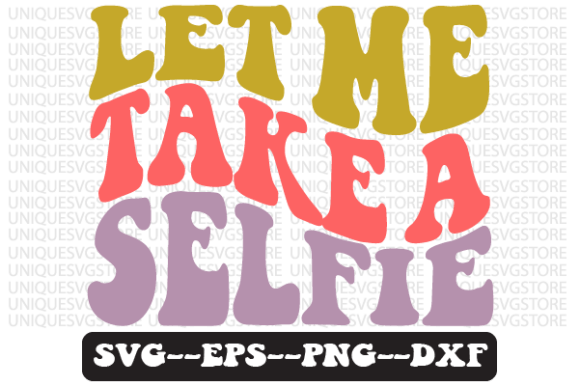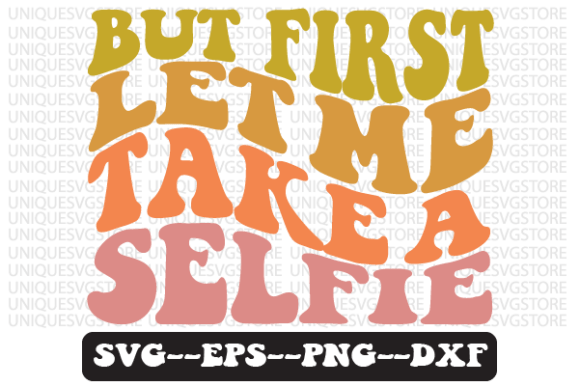
But First Let Me Take a Selfie Retro SVG Review
First Impressions and Design Personality
When I first laid eyes on the But First Let Me Take a Selfie Retro SVG, it immediately struck me as a fun, lighthearted design that carries just the right amount of nostalgia. The retro vibe is clear from the outset—think vintage fonts and a slightly faded aesthetic that makes you feel like you’ve pulled this quote out of an old photo album. It’s not overly complex, but there’s enough character in the layout to stand out without overwhelming the fabric or viewer.Real-World Use: A Tote Bag Project
To put the But First Let Me Take a Selfie Retro SVG through its paces, I tested it on a custom embroidered tote bag—a common product in many craft businesses. The design was scaled to fit the front pocket area, and after stitching, it looked clean and vibrant. The text was legible even at a distance, and the retro style gave the bag a unique flair that stood out among my usual projects.Visual Appeal and Customer Reaction
As an embroidery designer, I always consider how a design will be perceived once it's finished. The Retro SVG version of this quote has a whimsical quality that seems to speak directly to younger audiences, especially those with a love for social media culture. But it also appeals to older demographics who might find the phrasing amusing or relatable in a more ironic way. In terms of product value, adding this design to a handmade item instantly elevates it from generic to memorable. As an Etsy seller, I can see how this would make your listings pop and encourage buyers to click “Add to Cart.” For small shop products or boutique branding, the design brings a sense of authenticity and creativity—key traits for building customer trust and engagement.Performance Across Different Embroidery Projects
- Custom Apparel: Sweatshirts and long sleeves are perfect because the retro look complements the softness of knit fabrics.
- Tote Bags: Especially cotton or canvas ones, where the bold text stands out against the background.
- Baby Clothes: A subtle, light thread color version of this design could work beautifully on a onesie or hoodie for a playful, modern baby gift.
- Patches and Decor: When converted to an applique format, the design becomes ideal for embroidered patches or pillow covers.
- Holiday Gifts: Think about using it on tea towels, aprons, or even decorative pillows for a humorous twist during festive seasons.
- Digital Product Previews: The printable PNG version is great for creating mockups or showing clients how their finished product might look before production.
Where to Use with Caution
- Small Hoop Sizes: If you're planning to embroider this on something like a cap or patch, ensure the hoop size accommodates the entire design without crowding. Smaller areas may require cropping or resizing, which can affect readability.
- Textured or Stretchy Fabrics: The design relies on crisp edges and consistent stitch flow, so avoid using it on very stretchy or coarse materials unless you’re prepared to adjust the stitch density accordingly.
- Dark Fabric Backgrounds: While the design is bright and clear on light-colored fabrics, testing on dark tones is essential. You may need to use contrasting thread colors to maintain visibility and impact.
- Frequent Wash Use: Because of the detailed nature of the design, frequent washing might cause some fraying or loosening over time. Consider recommending a high-quality stabilizer and durable thread set for items like kitchen towels or baby clothes.
Design Notes for Embroidery Success
Before jumping into a full run of handmade products featuring this design, here are some practical tips to keep in mind:Test on Scrap Fabric: Always test the design on a sample piece before committing to the final product. This helps identify any issues with stitch flow or detail clarity.
Thread Color Contrast: Depending on your fabric choice, you may want to experiment with different thread colors. The default palette is likely white or cream, which looks best on darker or medium-toned backgrounds.
Stitch Density and Running Stitches: Pay attention to how dense the stitches are in the corners and around the text. Too tight and it might puck; too loose and it might lose definition. Adjusting the running stitch settings can help preserve the design’s shape.
Confirm Hoop Size: Since the design isn’t specified for exact dimensions or machine compatibility, it’s important to determine what hoop size works best for your setup. This ensures the final result fits properly and maintains quality.
Check Licensing: If you plan to sell the finished product or offer digital embroidery files, confirm whether the design allows for commercial use. Some retro-style designs come with restrictions, and knowing these upfront avoids legal hiccups later.